EN
EN



RUNPIN, the engineered stone brand of Shenzhen Runfeng New Material Technology Co., Ltd., works with distributors, contractors, project buyers, and other B2B customers who need reliable batch consistency, documentation, production capacity, and delivery.
Sourcing engineered quartz slabs for a wholesale program is a very different exercise from buying a handful of slabs for a single residential project. When purchase volumes rise, so does financial exposure, and a single overlooked detail can affect an entire shipment rather than one countertop. Before signing off on a bulk order, wholesale buyers need a structured way to evaluate the material, the supplier, and the terms attached to the deal. Engineered quartz slabs are prized for their durability and consistent appearance, but those qualities only hold true when the production process, packaging, and documentation are handled correctly at scale. A defect that would be a minor inconvenience in one slab becomes a costly problem when it is repeated across hundreds of units, which is exactly why wholesale purchasing deserves its own checklist. The sections below walk through the practical checks that help buyers protect their investment, avoid delays, and build a dependable supply chain for engineered quartz slabs.
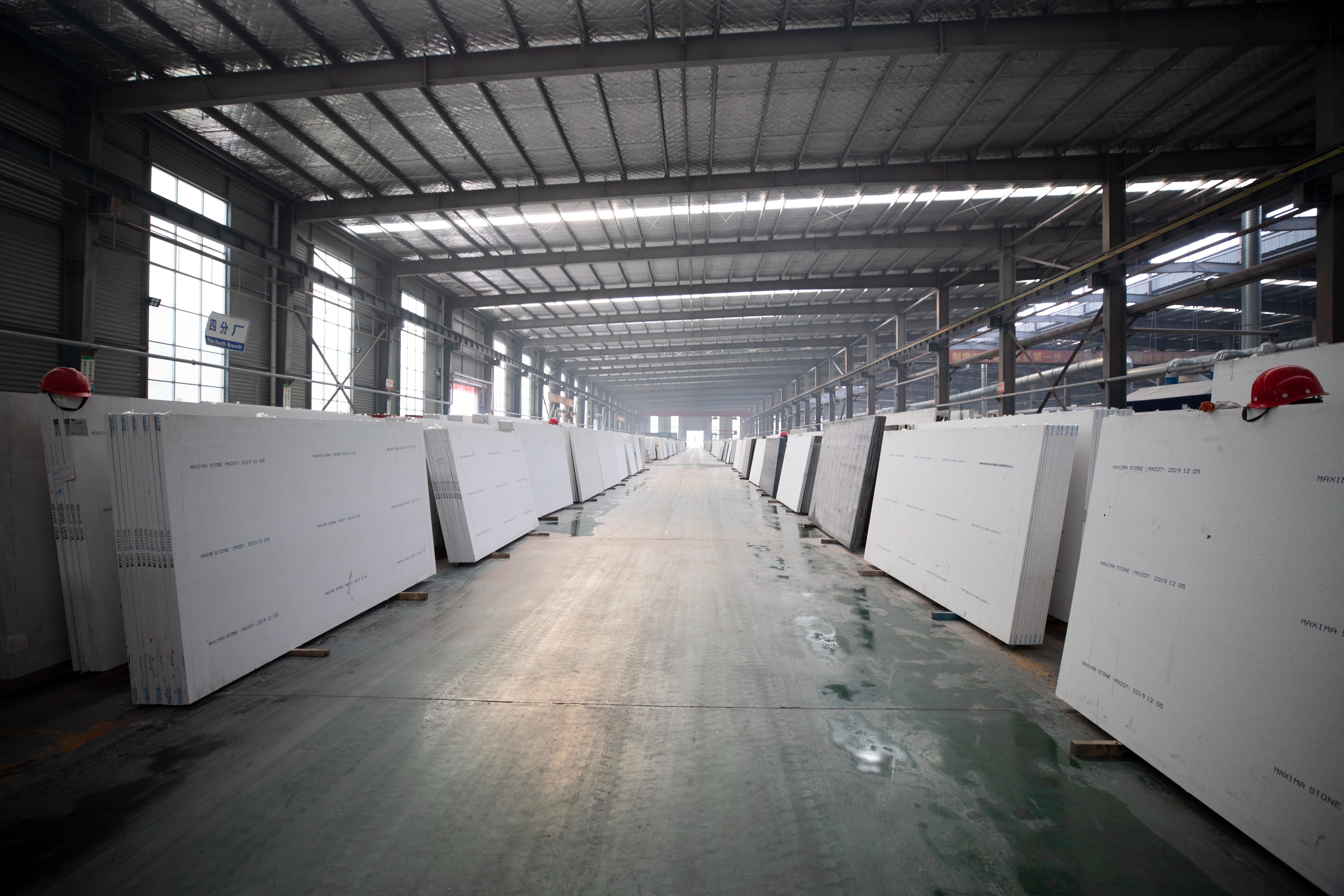
The performance of engineered quartz slabs depends on both material formulation and manufacturing control. Buyers should review quartz content, binder system, compaction, curing conditions, and relevant test reports. Buyers should ask suppliers for a breakdown of the raw material composition and request third-party lab results confirming hardness, scratch resistance, and heat tolerance. Visual appearance alone does not confirm mechanical performance, so buyers should also review relevant test data for strength, impact resistance, scratch resistance, and heat performance. Buyers should also ask whether the supplier uses controlled formulations and a documented change-management process to maintain consistency across repeat orders. A short factory audit, even a virtual one, can reveal whether quality control checkpoints exist at each stage of slab pressing and curing. For reference, relevant RUNPIN engineered quartz products contain more than 90% quartz material, with a Mohs hardness of approximately 5–6 and water absorption of ≤0.02%, subject to the specifications and test reports of the selected product
Color variation is one of the most common complaints wholesale buyers raise about engineered quartz slabs, particularly when slabs are sourced from different production runs. Because pigments and quartz aggregate can shift slightly between batches, buyers should request the batch numbers for every pallet and compare sample chips against previous shipments before finalizing payment. For a single home a slight shade difference might not matter much, but for a wholesale buyer supplying dozens of showrooms or contractors, mismatched pallets of engineered quartz slabs can trigger costly reshuffling of inventory. Ask whether the supplier uses approved master samples, color-measuring instruments, batch identification, traceability, and documented color-control procedures. A supplier who can document this process is far more likely to deliver engineered quartz slabs that match order after order.
Not every factory that markets engineered quartz slabs actually has the pressing and curing capacity to fulfill a large wholesale order on schedule. Before committing, buyers should ask for verified production numbers, such as the average daily slab output and the current backlog of confirmed orders. A transparent supplier will give a specific range for how long a large order will realistically take from deposit to loading dock, rather than a vague promise, and will flag seasonal slowdowns that could delay engineered quartz slabs shipments around peak renovation months. It is also worth confirming whether the factory subcontracts any part of production, since subcontracted engineered quartz slabs can introduce inconsistencies that are harder to trace back to a single source.

Wholesale buyers importing engineered quartz slabs across borders need more than a good-looking sample; they need paperwork that satisfies customs authorities and downstream retailers. Depending on the destination market, buyers should request information on crystalline silica content and documentation relevant to fabrication, labeling, and occupational health requirements. A supplier who keeps compliance records organized and shares them proactively, rather than making buyers chase them down after the order is placed, signals that engineered quartz slabs leaving their facility are less likely to be held up in customs. Buyers should also confirm whether crystalline silica content is disclosed, since several markets now require specific labeling for engineered quartz slabs sold to fabricators and installers.
Pricing for engineered quartz slabs rarely follows a single flat rate once order volume increases, so buyers should ask for a full tier breakdown rather than a single quoted number. Rates often shift based on slab thickness, color complexity, finish type, and total square footage ordered in one cycle. Price differences may reflect raw-material formulation, slab thickness, pattern complexity, finish, processing requirements, packaging, order volume, and commercial terms. Buyers should request a written price schedule that shows how costs change at different volume thresholds, which makes it easier to plan future reorders of engineered quartz slabs without renegotiating from scratch every time.
A competitive price on engineered quartz slabs means little if the payment structure creates cash flow strain or if delivery commitments are vague. Buyers should clarify deposit percentages, balance payment triggers, and what currency the transaction will be settled in, especially for cross-border orders. Contracts should spell out penalties or remedies if a shipment of engineered quartz slabs arrives late or incomplete, rather than leaving them as an informal understanding. It is also worth confirming whether pricing is locked for the full order or subject to change if raw material costs shift midway through production, since unclear terms around engineered quartz slabs pricing are a common source of disputes between buyers and factories.
Bulk shipments of engineered quartz slabs travel long distances by truck, rail, or ocean freight, and inadequate packaging is one of the leading causes of breakage claims. Buyers should ask suppliers to describe their crating method, the type of edge protection used, and whether slabs are secured with A-frames or flat pallets. Packaging should change depending on destination and shipping method, since ocean freight exposes engineered quartz slabs to more vibration and humidity than domestic trucking. Photos or video of a completed export crate before loading give buyers a chance to flag issues early, rather than discovering damaged engineered quartz slabs only after the container has already left port.
Moving engineered quartz slabs internationally involves more than booking a container; buyers need to understand tariff classifications, applicable duties, and any trade measures that may apply to the country of origin. Working with a freight forwarder familiar with stone products can prevent unpleasant surprises at the border. Responsibility for customs clearance, and the exact point at which risk transfers between buyer and supplier, should be written into the purchase agreement well before engineered quartz slabs leave the factory. Buyers should allow reasonable time for customs inspections or documentation checks, which may affect the final delivery schedule.
Photos alone rarely tell the full story about how engineered quartz countertops will look and perform once installed. Buyers should request physical sample chips or approved reference samples, together with full-slab photos or videos. For large or design-sensitive projects, a production sample or mock-up may also be appropriate before mass production. Lighting, camera settings, and screen calibration can all distort how a slab of engineered quartz countertops actually appears in a showroom or kitchen, which is why physical samples matter more than digital catalogs. Basic scratch or stain checks can support an initial evaluation, but these informal tests should not replace standardized laboratory test reports.
Engineered quartz countertops are typically available in polished, honed, and textured finishes, and each option affects both appearance and maintenance requirements. Buyers should request samples of every finish they plan to offer, since a honed surface can show fingerprints differently than a polished one, which matters for showroom presentation. Whether the supplier offers standard edge profiles, or charges extra cost and lead time for custom profiles, should be clarified in advance to prevent miscommunication once a wholesale order for engineered quartz slabs is already in production. Buyers should also ask whether finish options are available across the full color range, since some engineered quartz slabs finishes are limited to select patterns only.
If you are sourcing engineered quartz slabs for wholesale distribution, commercial projects, or customized applications, contact RUNPIN with your target color, slab size, thickness, estimated quantity, application, and destination market.
MOQ depends on the product series, color, and customization requirements. For RUNPIN, many standard quartz slab products can start from approximately 50 m², while selected premium or custom designs may require a higher MOQ. Trial orders and mixed-color requirements can be discussed based on the project. Buyers who plan to reorder engineered quartz slabs regularly often negotiate a standing volume commitment that locks in better tier pricing over a full year.
Lead time depends on the selected design, quantity, customization level, and current production schedule. Buyers should confirm the production slot and shipment date in writing before placing the order. Buyers ordering during peak production periods should expect longer waits and avoid relying on verbal estimates. Building in a buffer of a few extra weeks before promising delivery dates to retail customers helps avoid the pressure that comes with tight engineered quartz slabs shipment schedules.
A pre-shipment inspection, either performed in person or by a third-party inspection service, is the most reliable way to confirm that engineered quartz slabs meet the agreed specifications before they leave the factory. Inspectors typically check slab dimensions, surface finish, color consistency against approved samples, and packaging integrity. Requesting inspection photos and a written report gives buyers documented proof of condition, which is useful if a dispute arises later over damaged or inconsistent engineered quartz slabs.
A complete shipment of engineered quartz slabs should arrive with a commercial invoice, packing list, certificate of origin, and any relevant safety or compliance certificates required by the destination country. Buyers should also request a batch or lot number for traceability, particularly for larger orders spread across multiple pallets. Keeping this documentation organized makes it far easier to resolve customs questions or warranty claims tied to a specific run of engineered quartz slabs.