EN
EN


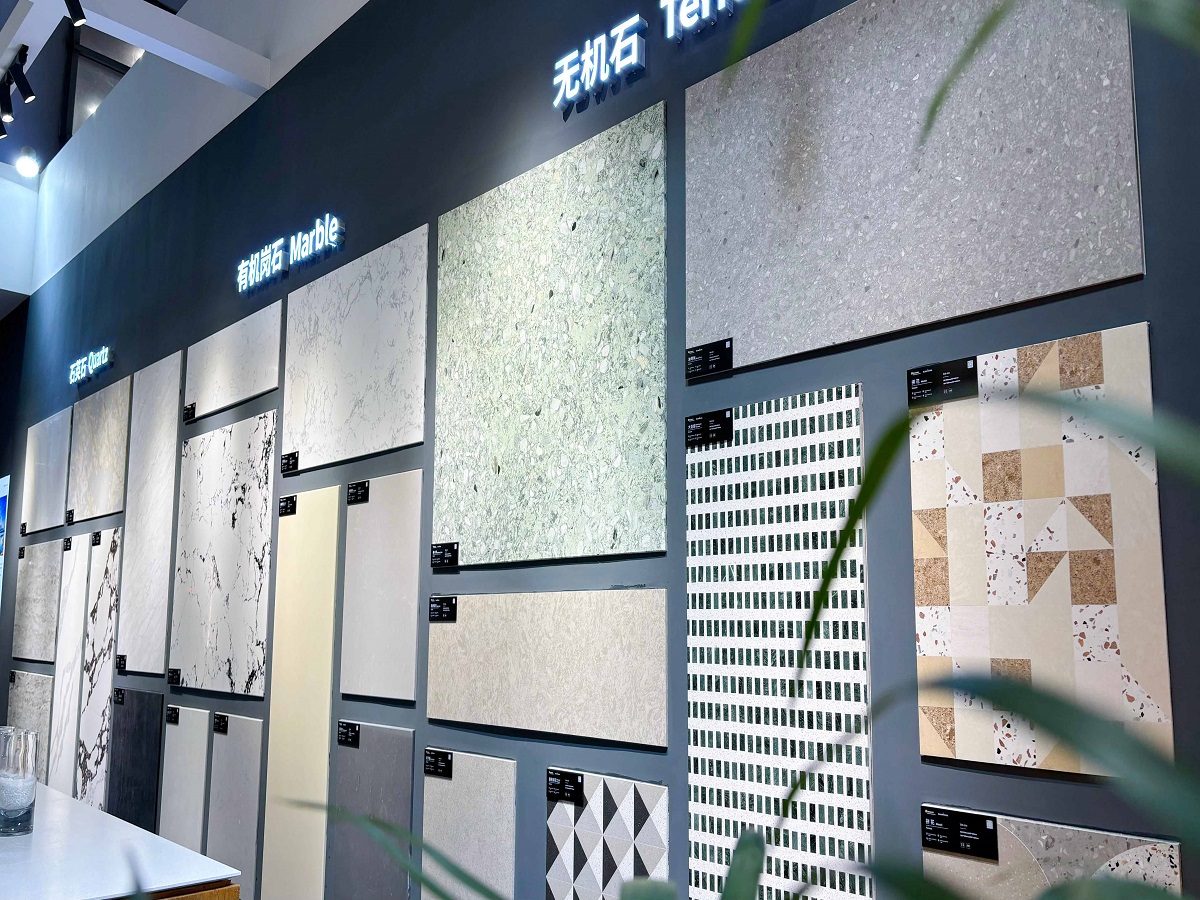
Walk through the showrooms of stone distributors in almost any region, and a familiar pattern shows up: the same handful of quartz colors, similar marble-look patterns, and standard slab sizes sourced from overlapping supplier catalogs. When multiple distributors in one market sell near-identical engineered stone products, the conversation with buyers shifts almost entirely to price, and it becomes difficult for any single distributor to build a recognizable identity around its product range.
Buyer preferences are also far from uniform across regions. A color palette that performs well in one market may barely register interest in another, and distributors who rely only on standard catalog offerings often end up choosing between a narrow set of colors that satisfies no one and a pricing model that satisfies no one's margins.
This is where OEM & ODM cooperation with an engineered stone manufacturer changes the equation. Instead of reselling the same catalog SKUs as every competitor, distributors working through OEM & ODM arrangements can shape colors, specifications, and finishes around what their own market actually wants. OEM & ODM is not simply a manufacturing service; it is a tool for building a product range that performs differently from what sits on a competitor's shelf.
In an OEM arrangement, the distributor already has a fairly clear idea of what it wants to sell, whether that is a specific color, slab size, or finish, and the manufacturer produces the engineered stone to that specification. The distributor typically controls the product definition, packaging, and branding. This side of OEM & ODM suits distributors who already know the design direction and need reliable, large-scale production capacity, letting them put their own name or private label on a slab built without owning a factory.
ODM shifts more of the design work onto the manufacturer. Instead of arriving with a finished specification, the distributor works with the manufacturer's R&D team to develop a new color, pattern, or finish from scratch, drawing on its material science expertise. This side of OEM & ODM suits distributors entering a new category, such as terrazzo or inorganic stone, where they may lack the in-house knowledge to define a full specification alone. Used this way, OEM & ODM becomes a genuine development partnership rather than a simple transaction.
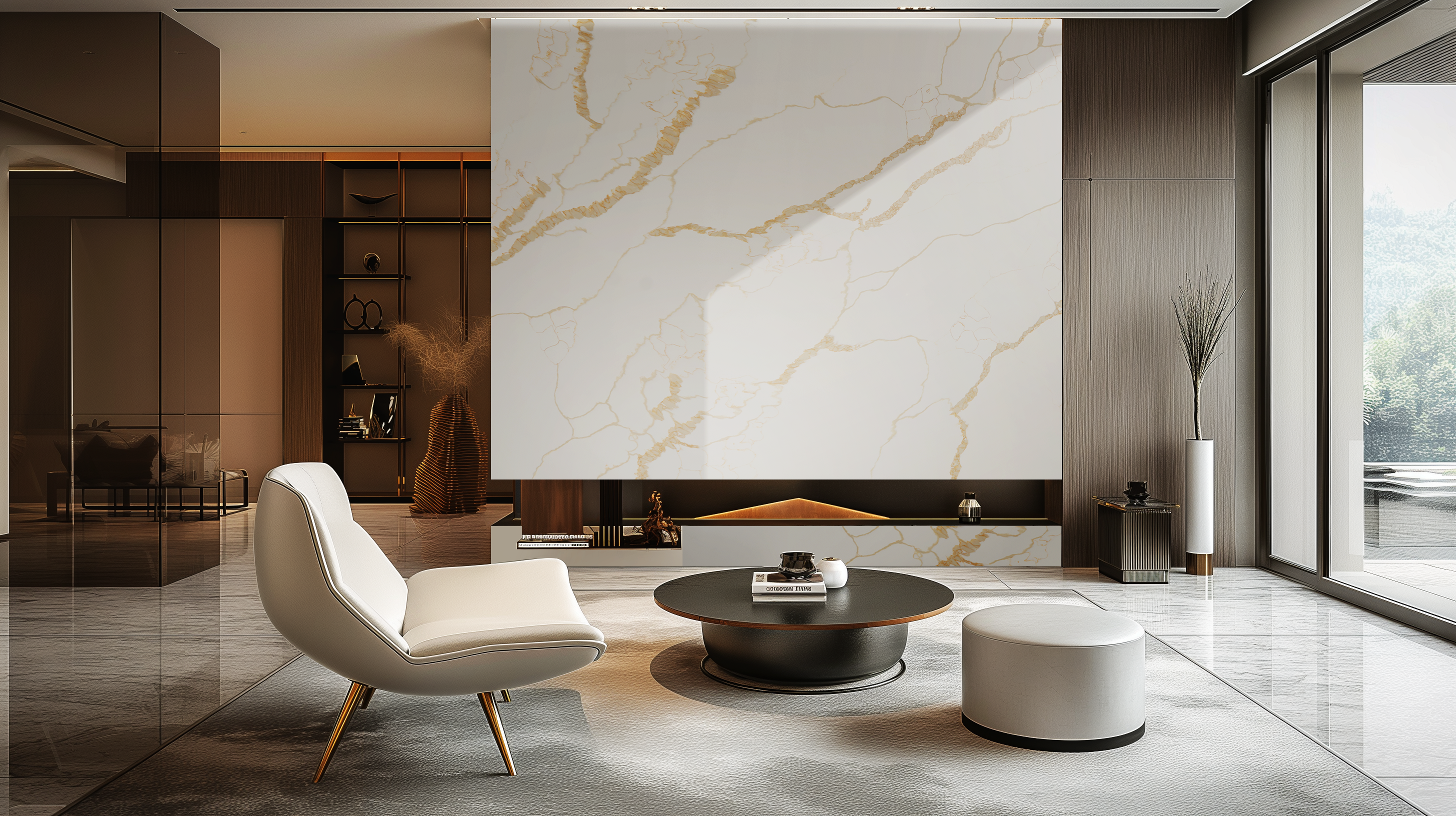
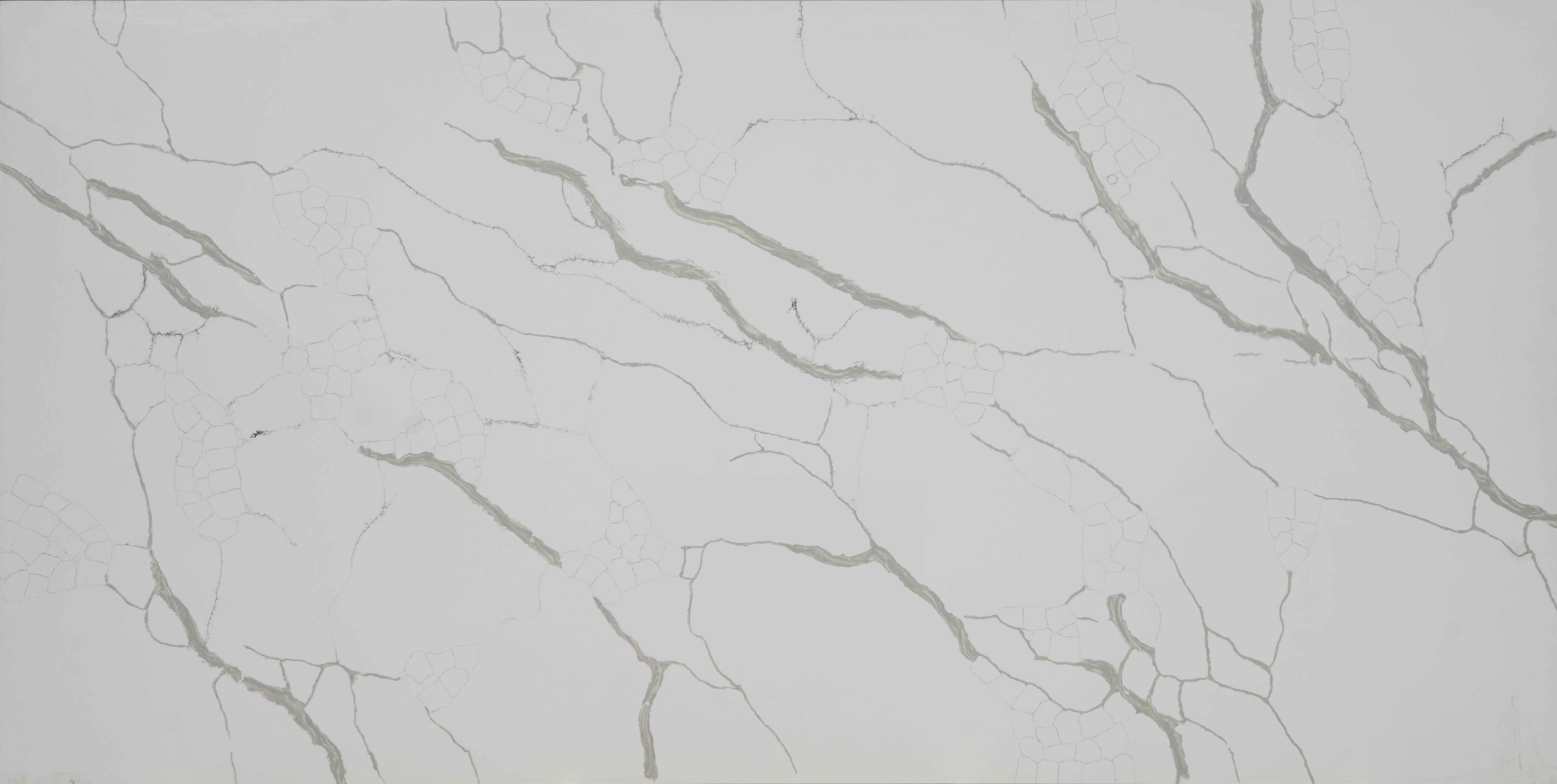
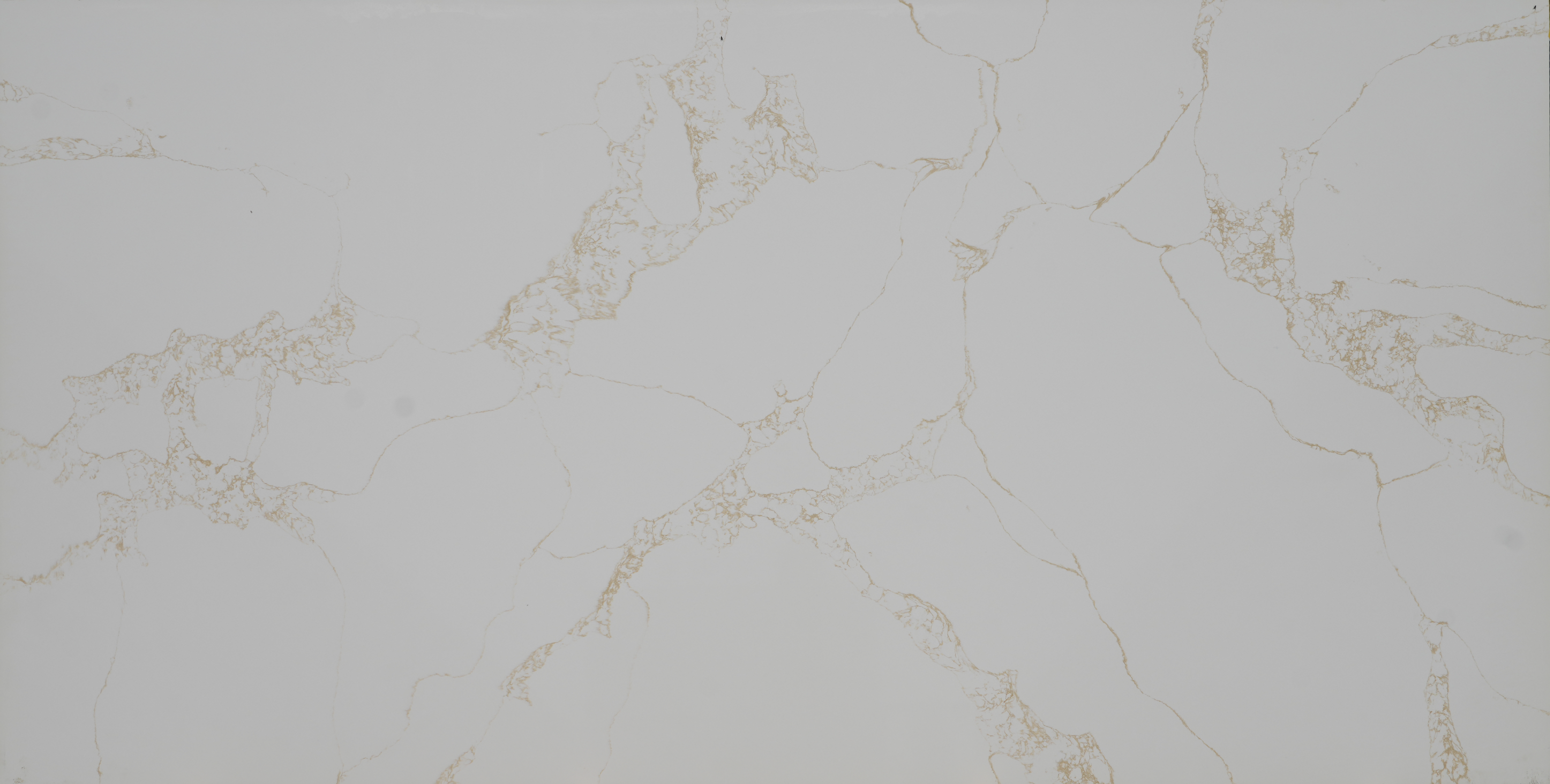
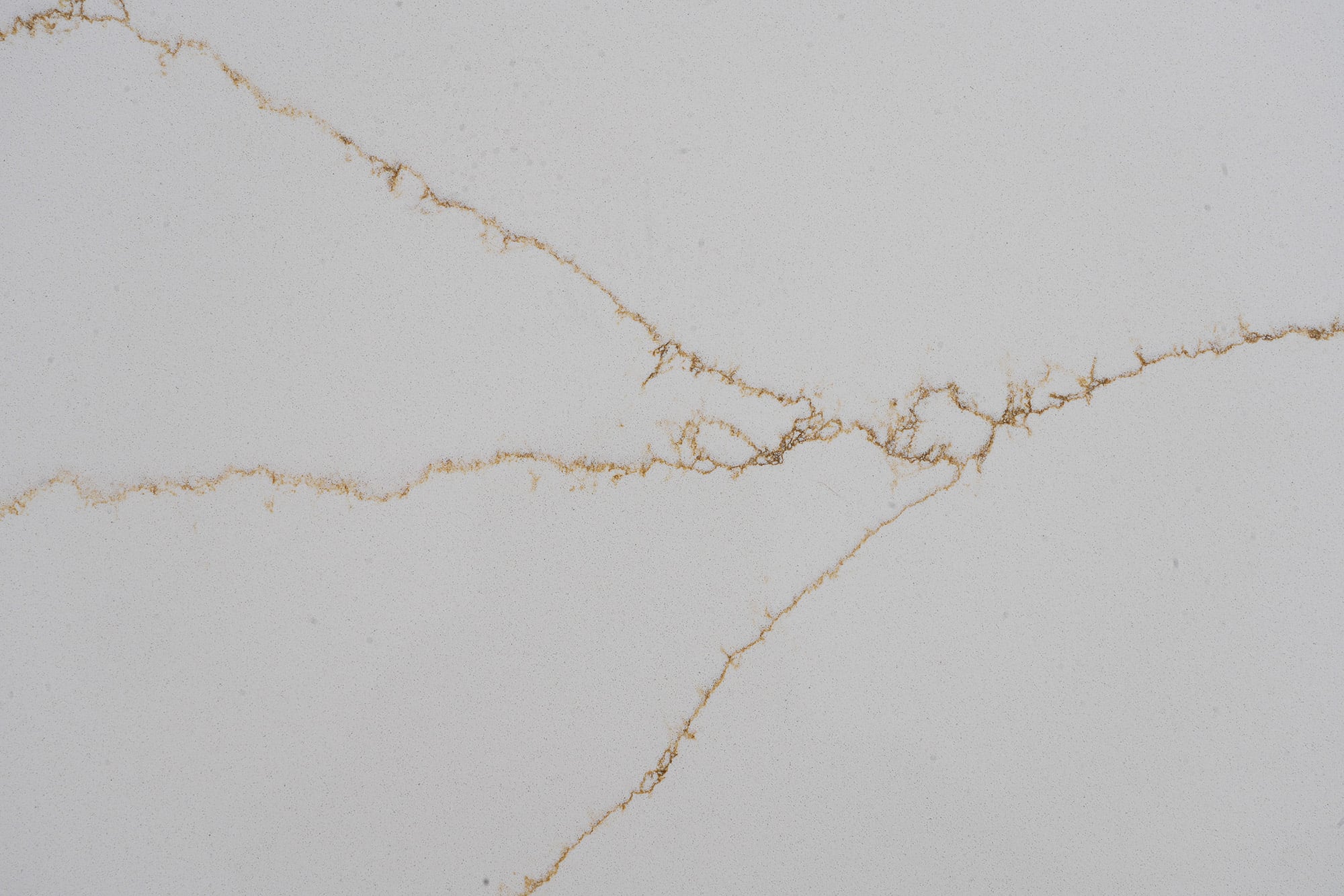
The most direct way OEM & ODM supports differentiation is through color and pattern development. When a distributor develops a custom color for its own range, the product can be differentiated from standard catalog offerings. Veining patterns, tone gradients, and aggregate mixes can be adjusted through OEM & ODM development to create a signature look tied to the distributor's own brand. Over time, this builds a visual identity that buyers associate with the distributor rather than with the underlying factory.
OEM & ODM also lets distributors fine-tune slab sizes, thicknesses, and surface finishes to match how their market actually fabricates and installs stone. A region where fabricators favor thinner slabs for wall cladding has different needs than one focused on thick countertop applications, and a market that favors matte, leathered surfaces is not well served by a catalog built around high-gloss finishes. Adjusting specifications and finishes this way reduces mismatches between what is imported and what local fabricators can work with efficiently.
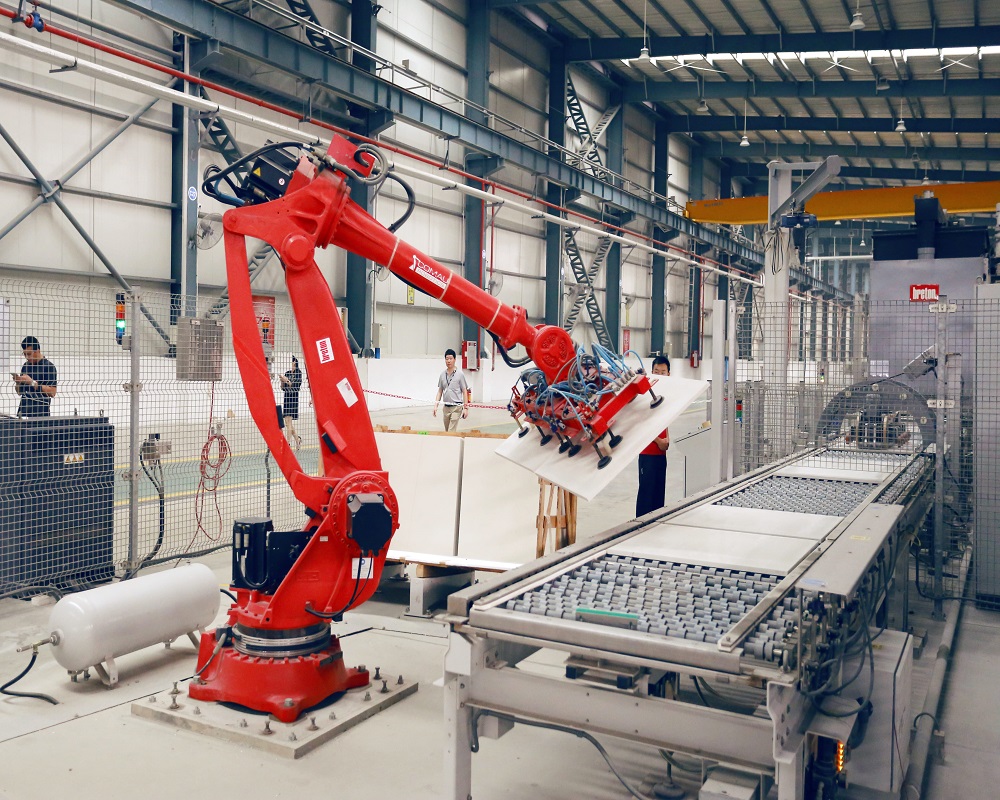
Aesthetic preference in engineered stone varies more than many distributors assume. Warm-toned, heavily veined marble looks may dominate demand in one country while cooler, more minimal terrazzo aesthetics lead in another. Rather than choosing from a one-size-fits-all export catalog, a distributor working through OEM & ODM can commission designs tuned to regional design preferences, informed by its own direct knowledge of local buyers and end users, turning market knowledge into an actual product advantage.
For many distributors, OEM & ODM is also the path to a private label range: products manufactured to their specification but sold under their own brand name, packaging, and marketing materials rather than the manufacturer's catalog naming. A private label series built through OEM & ODM is harder for buyers to price-compare directly against a competitor's import, since it is not the identical named product, and it gives the distributor more control over how the product is positioned and priced.
When several distributors in one market import the same catalog colors from the same manufacturers, the products are effectively interchangeable and price becomes the only meaningful comparison. OEM & ODM breaks this pattern by helping distributors build a product range that is more distinctive and less directly comparable with widely available standard products. A range built partly through OEM & ODM does not need to compete on every SKU; it only needs enough differentiated products to shift some buying decisions away from pure price comparison.
A manufacturer's R&D team determines how well an idea or sample can be turned into a producible, repeatable product for OEM & ODM programs. Distributors should look at how quickly a manufacturer turns around new color samples, how accurately those samples match approved references once moved into full production, and whether the manufacturer offers genuine design input rather than only production execution.
OEM & ODM development is only useful if the manufacturer can also produce the resulting product at commercial volume without disrupting lead times on regular orders. Distributors should assess whether a manufacturer has enough production lines and bases to run custom development alongside standard bulk fulfillment, particularly as a private label range grows and reorder volumes increase over time.
Consistency matters more in OEM & ODM work than in standard catalog purchasing, because a distributor's own brand reputation depends on a custom product performing the same way, batch after batch. Buyers should look for documented quality control processes, consistent color and pattern replication across production runs, and a track record of low defect rates on custom orders specifically.
Some manufacturers can handle only large, standardized runs, while others can accommodate smaller custom batches, mixed specifications within one order, or iterative development where a color is adjusted over two or three rounds before approval. Distributors building a differentiated range benefit from a manufacturer that treats OEM & ODM customization as a normal part of the process rather than an exception.
A custom product line built through OEM & ODM is only an advantage if the distributor can keep reordering it reliably. Distributors should look at how a manufacturer sources raw materials, whether production is concentrated in a single facility or spread across multiple bases, and how consistent lead times have been historically, especially for reorders once a product is no longer brand new.
OEM & ODM works best as an ongoing relationship rather than a single transaction. Manufacturers willing to invest in long-term cooperation, through dedicated account support and a willingness to expand a distributor's private label range over time, tend to deliver more consistent OEM & ODM results than manufacturers treating each custom order as a one-off project.
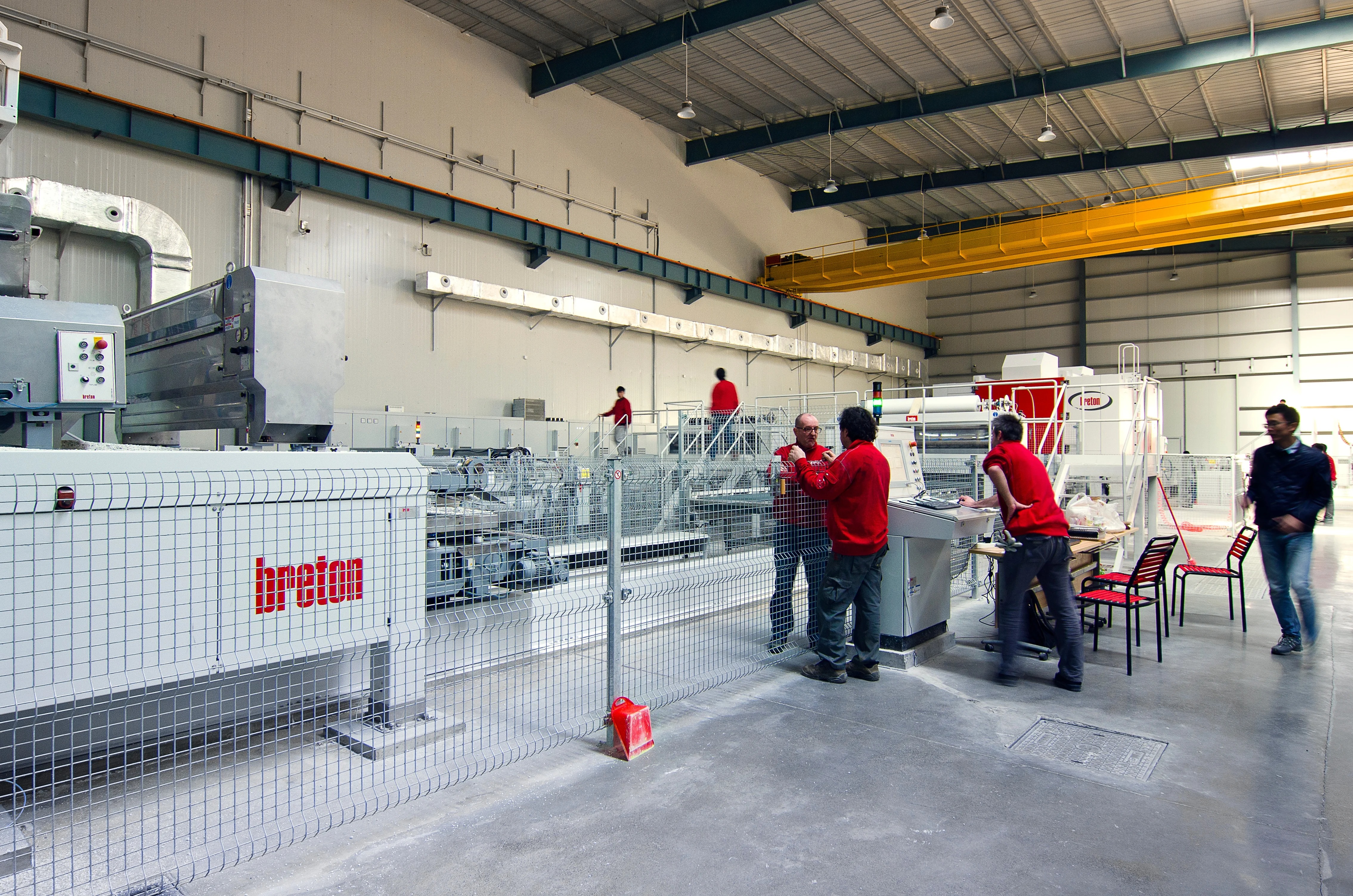
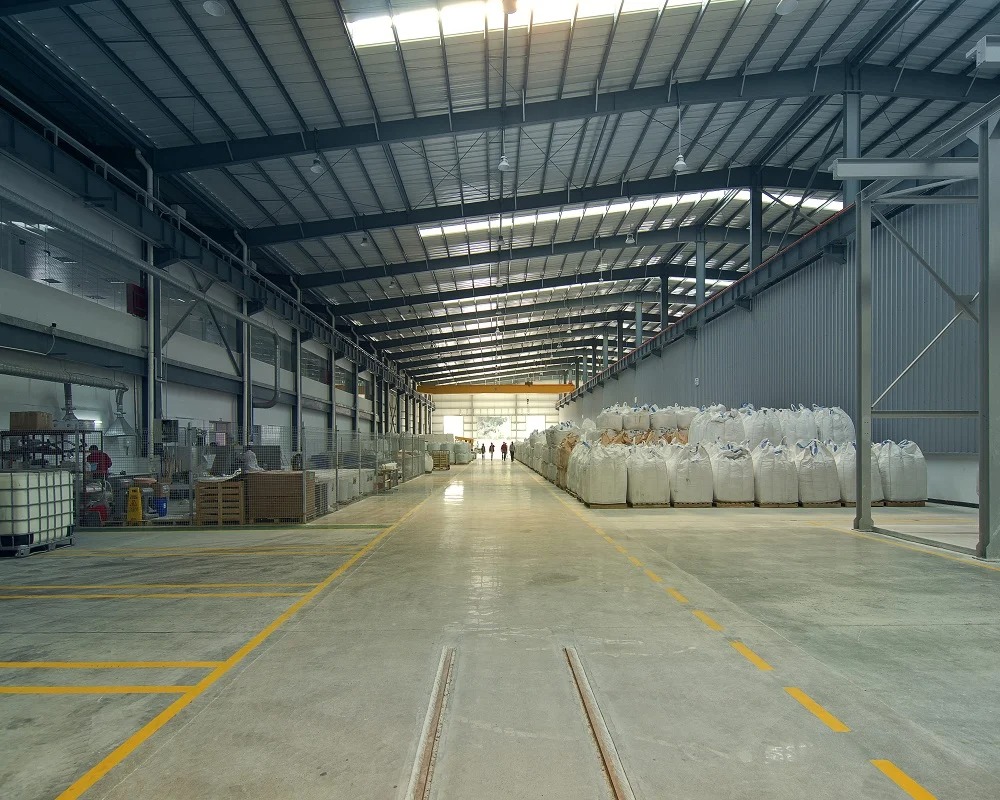
RUNPIN supports OEM & ODM development with a team of more than 30 R&D professionals working alongside five production bases, with a combined annual engineered stone production capacity of 26.1 million square meters. For distributors, this scale matters less as a marketing figure and more as a practical answer to a real concern: whether a manufacturer taken on for custom OEM & ODM development can also deliver consistent bulk supply once a private label product moves from sample to reorder.
RUNPIN maintains a library of more than 600 existing color options as a starting reference point for OEM & ODM discussions, alongside the capability to develop new colors, patterns, specifications, and finishes for distributor-specific projects. This includes adjusting slab dimensions and thicknesses to match local fabrication practices, as well as offering a range of surface finishes suited to different applications.
RUNPIN's product range spans Engineered Quartz, Engineered Marble, Terrazzo, and Inorganic Stone, giving distributors multiple material categories to draw on when building a differentiated portfolio through a single OEM & ODM manufacturing partner. Working across these categories under one OEM & ODM relationship also simplifies coordination for distributors who want to expand their private label range into new material types over time.
OEM production follows a specification the distributor already provides, covering color, size, and finish, with the manufacturer handling production. ODM involves more manufacturer input at the design stage, with distributor and manufacturer jointly developing a new color, pattern, or finish, drawing on the manufacturer's own R&D and material expertise.
Timelines depend on the complexity of the color or pattern involved, but most OEM & ODM projects move through an initial concept discussion, sample production, sample approval or revision, and finally full production setup. Straightforward specification changes are typically faster than entirely new color or pattern development.
Most manufacturers apply a minimum order quantity to OEM & ODM projects, though the exact figure varies depending on the complexity of the customization and the product category involved. Distributors should confirm minimum order quantities directly with the manufacturer during the initial development discussion.
Yes. Private labeling, including a distributor's own product naming, packaging, and marketing materials, is a common part of OEM & ODM cooperation, and is typically one of the main reasons distributors pursue this type of arrangement.
OEM & ODM cooperation changes what it means to be a stone distributor. Instead of simply reselling whatever colors and specifications a manufacturer's catalog happens to include, a distributor working through OEM & ODM development actively shapes its own product range around what its market wants, whether that means new colors, adjusted specifications, region-specific designs, or a private label series. The result is a portfolio that is harder for competitors to copy and easier for buyers to associate with a specific distributor.
For distributors exploring how OEM & ODM development could shape their next product range, RUNPIN welcomes a direct conversation about specific project needs, from color and specification requirements to sample requests. Reach out to discuss what a custom OEM & ODM engineered stone development project could look like for your market.